The history of Thessaloniki: A journey through the ages
Few cities in Europe tell a story as fascinating as Thessaloniki.
Founded more than 2,300 years ago, shaped by emperors, merchants, scholars, and travelers, it has evolved into a vibrant destination where ancient monuments stand alongside lively cafes, modern boutiques, and seaside promenades.
Whether you are visiting for the first time or returning to discover a different side of the city, exploring its past will help you appreciate its unique character even more.
Every neighborhood reveals a different chapter, every monument has a story to tell, and every walk feels like a journey through time.
If you are looking for a destination that combines history, culture, and a contemporary lifestyle, Thessaloniki offers it all… often within just a few minutes’ walk.
Thessaloniki history timeline: Discover the milestones that defined the city
Every era has added a new chapter to the city’s story, creating the unique blend of cultures, traditions, and landmarks that makes Thessaloniki so captivating today.
Ancient Thessaloniki – The birth of a Macedonian city
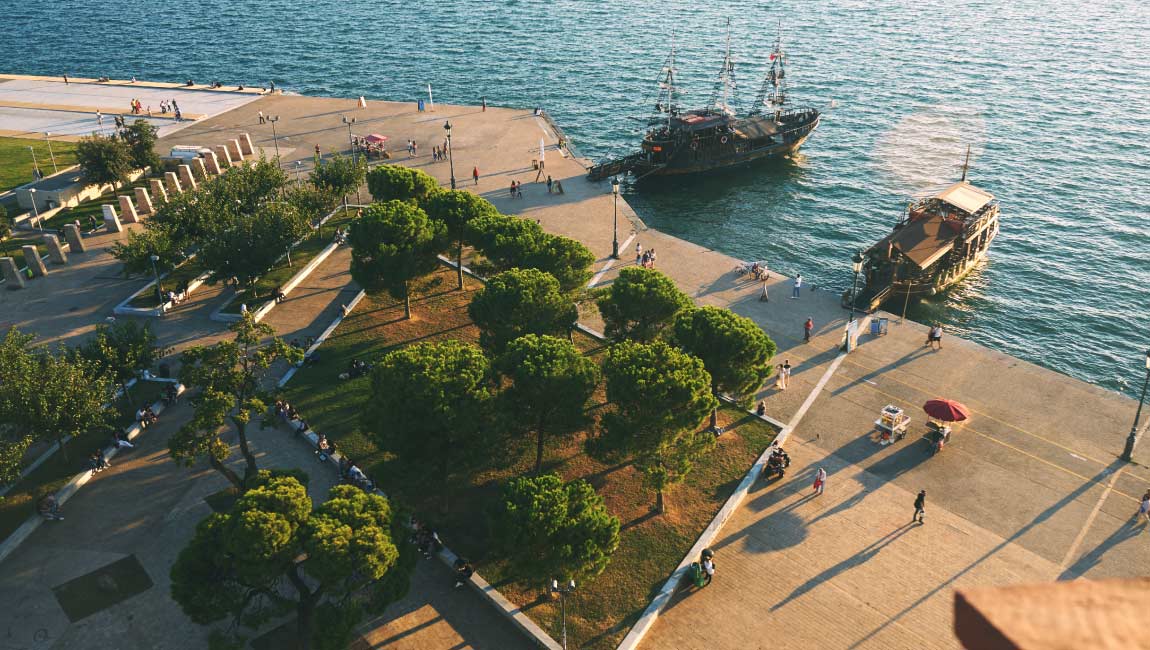
The story of Thessaloniki begins in 315 BC, when King Cassander founded the city and named it after his wife, Thessalonike, the half-sister of Alexander the Great. By establishing the new city near the ancient settlement of Therma, Cassander created what would soon become one of the most important urban centers of the Macedonian Kingdom.
This important moment marks the beginning of the fascinating Thessaloniki history timeline that continues to shape the city today. Although Alexander the Great never walked the streets of Thessaloniki as we know them, his legacy and the influence of the Macedonian dynasty played a fundamental role in the city’s identity and early development.
The history of the name Thessaloniki is closely connected to ancient Macedonia. According to historical sources, the name “Thessalonike” celebrated a Macedonian victory over the Thessalians, combining the words “Thessaly” and “niki” (“victory”).
From the very beginning, the city benefited from its strategic location on the Thermaic Gulf. Positioned between East and West, it quickly became an important commercial port and a meeting point for different cultures, laying the foundations for centuries of prosperity.
The Roman era: A crossroads of the Roman Empire
During Roman rule, Thessaloniki experienced remarkable growth. Its position along the famous Via Egnatia, one of the empire’s most important roads, transformed the city into a major center for trade, politics, and transportation.
Merchants, travelers, and officials passed through its streets every day, bringing with them new ideas, products, and traditions. This constant movement helped create a cosmopolitan atmosphere that still defines the city today.
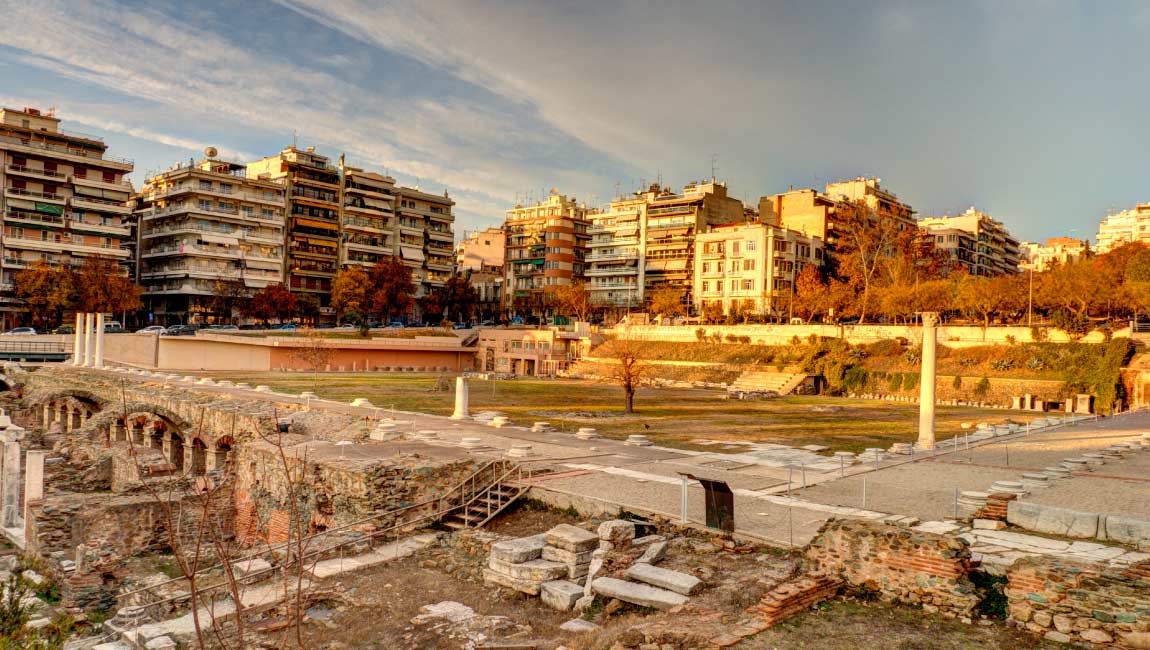
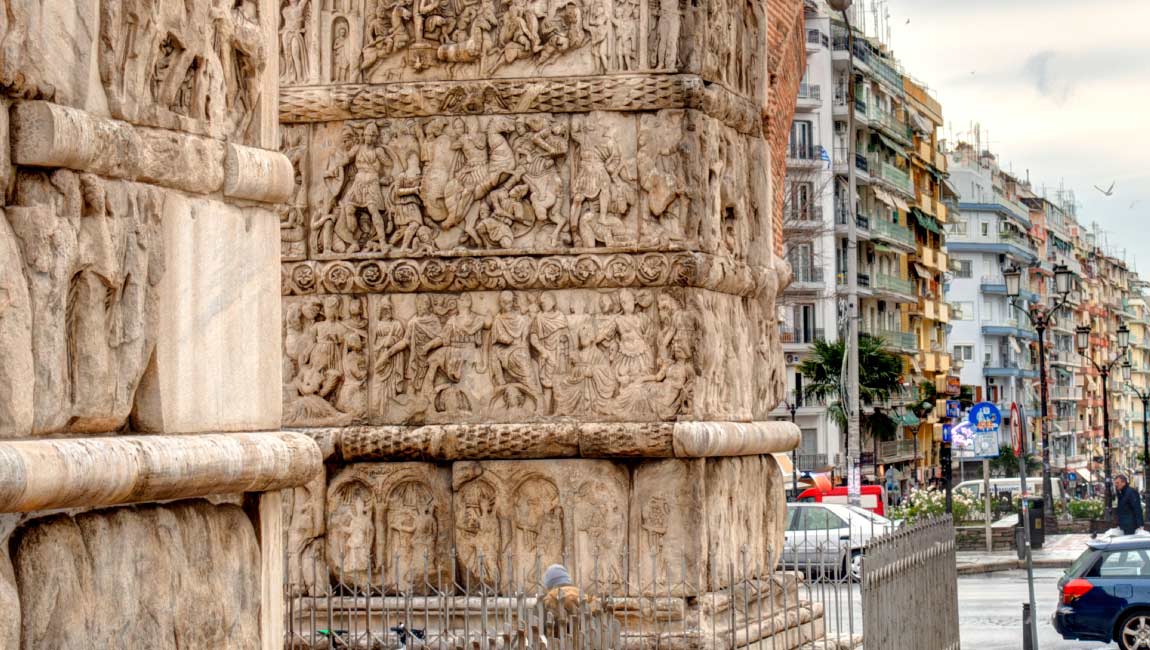
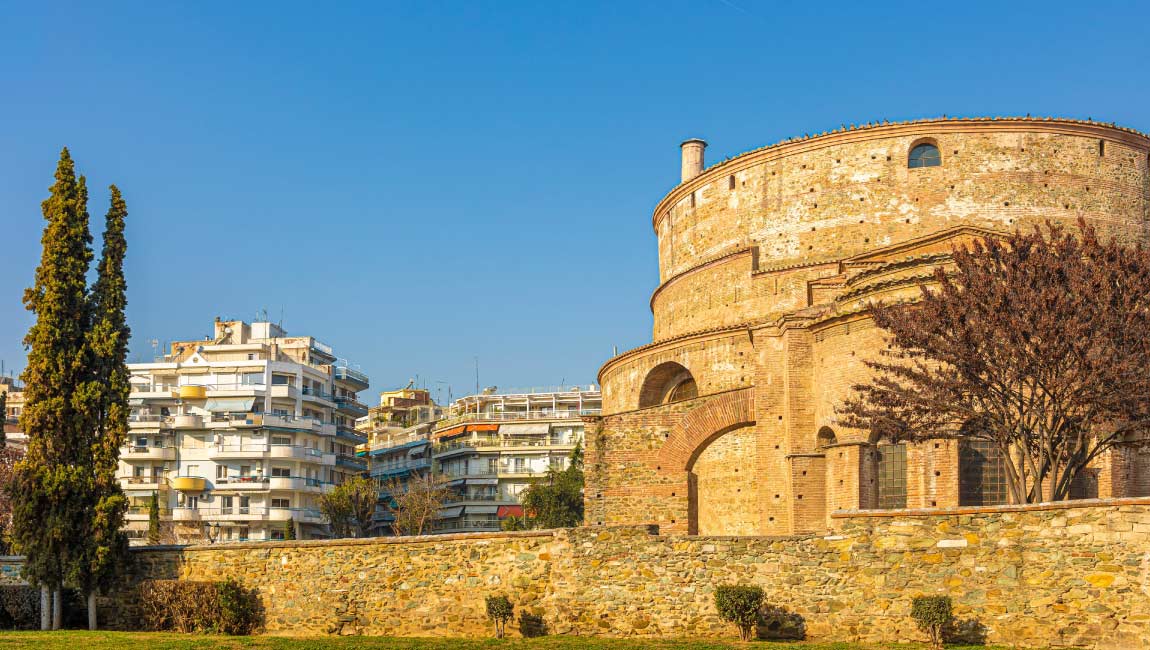
Many impressive monuments from this period continue to stand proudly in the city center. The Arch of Galerius, the Rotunda, and the Roman Forum offer visitors a unique opportunity to experience the grandeur of ancient Roman architecture while walking through modern Thessaloniki.
The Byzantine era: A center of faith and culture
When Constantinople became the capital of the Byzantine Empire, Thessaloniki emerged as its second most important city. It flourished as a center of religion, education, commerce, and art, attracting scholars, craftsmen, and pilgrims from across the region.
This era left an extraordinary architectural legacy. Magnificent churches decorated with beautiful mosaics, monasteries, and imposing city walls still reflect the city’s spiritual and cultural significance.
Many of these monuments are now protected as UNESCO World Heritage Sites, allowing visitors to admire centuries of Byzantine history while exploring the city’s charming streets.
The Ottoman period: A multicultural metropolis
The Ottoman period introduced another important chapter in the city’s evolution. For centuries, Christians, Muslims, and Jews lived together, creating one of the most diverse and multicultural cities in southeastern Europe.
Following the arrival of Sephardic Jews in the 15th century, Thessaloniki became home to one of the largest Jewish communities in the world, earning the nickname “Jerusalem of the Balkans.”
The influence of this multicultural heritage can still be seen today in historic markets, traditional neighborhoods, Ottoman monuments, and architectural details that blend harmoniously with Byzantine and modern elements. It is precisely this diversity that gives Thessaloniki its distinctive atmosphere.
Liberation and modern transformation: The making of today’s city
In 1912, Thessaloniki became part of modern Greece, marking the beginning of a new era. Just a few years later, the Great Fire of 1917 dramatically changed the city’s appearance, destroying large sections of the historic center.
Rather than rebuilding exactly what had been lost, a new urban plan was introduced, creating the spacious avenues, elegant squares, and organized neighborhoods that visitors enjoy today.
Modern Thessaloniki successfully combines its rich heritage with contemporary culture. Museums, restaurants, cafés, festivals and creative spaces coexist with ancient monuments, proving that history here is not simply preserved—it is part of everyday life.
Thessaloniki’s historical sites that bring history to life
One of the greatest advantages of exploring Thessaloniki is that many of its most important landmarks are located within walking distance of one another. Instead of spending hours commuting, you can wander through the city and discover centuries of history at your own pace.
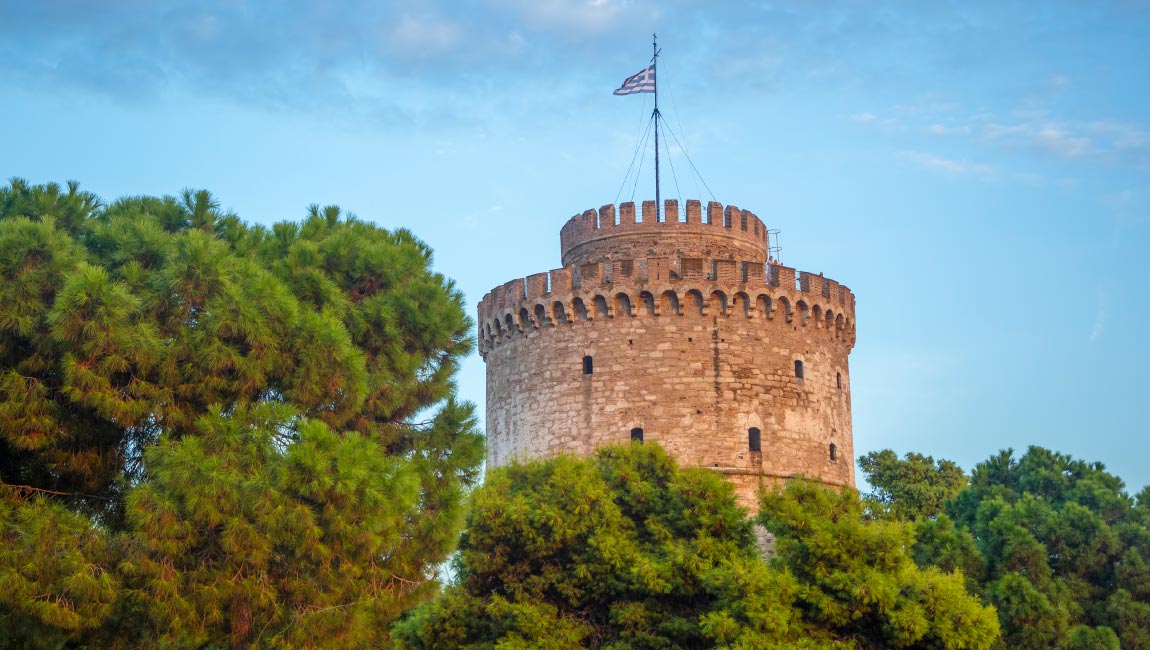
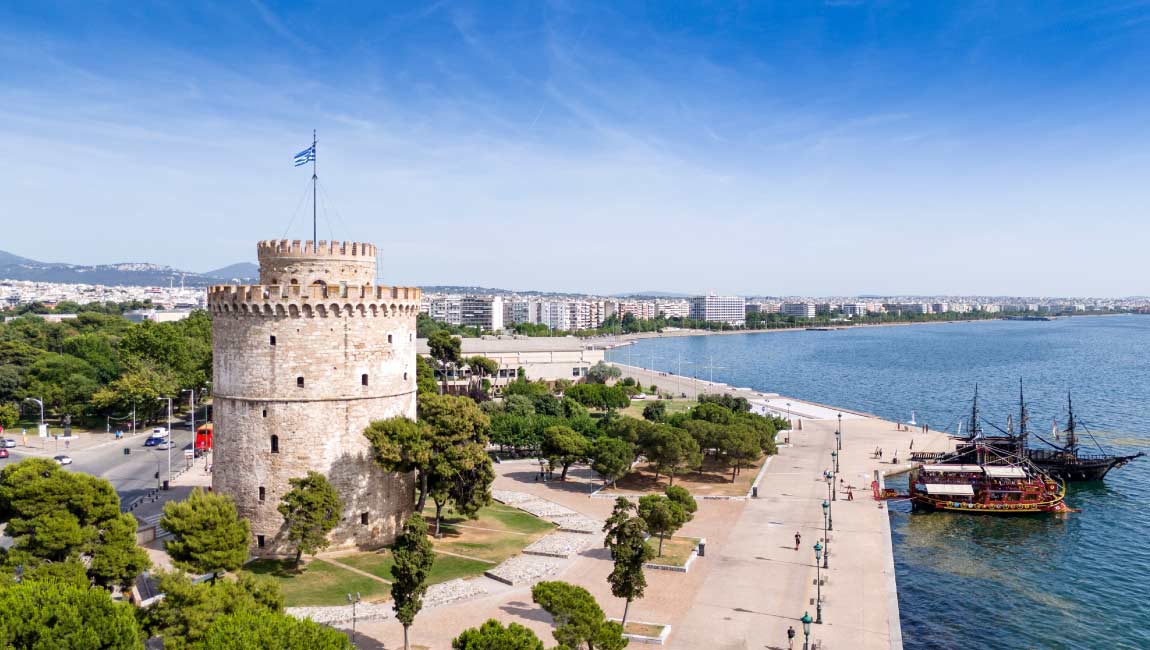
No visit is complete without stopping at the iconic White Tower, the symbol of Thessaloniki and one of its most recognizable landmarks. From there, a pleasant walk leads to the Arch of Galerius, locally known as Kamara, before continuing to the impressive Rotunda, a monument that has served as a Roman temple, a Christian church, and an Ottoman Mosque.
The Roman Forum offers a fascinating glimpse into public life during antiquity, while the Church of Saint Demetrius, dedicated to the city’s patron saint, showcases magnificent Byzantine architecture and spiritual heritage.
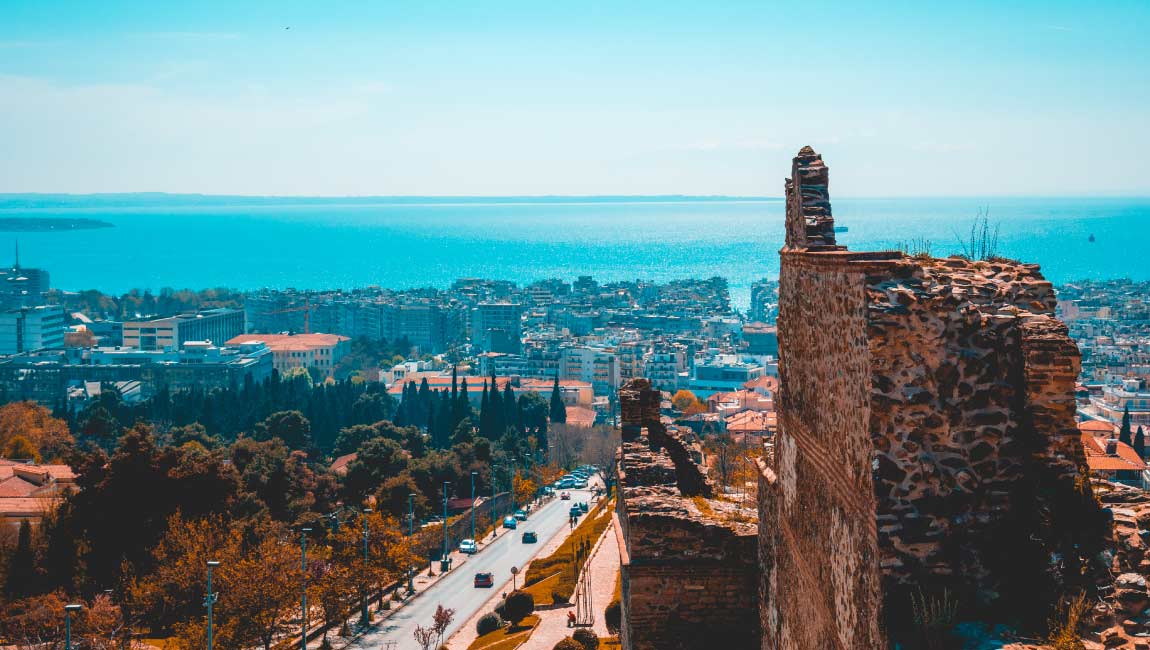
For breathtaking views, make your way to Ano Poli, the only district that survived the Great Fire of 1917. Its narrow streets, traditional houses, and Byzantine Walls create an atmosphere that feels untouched by time, making it one of the most authentic places to experience the city’s history.
Every monument represents a different chapter of Thessaloniki’s history, allowing you to travel across more than two millennia simply by exploring the city center.
Stay where Thessaloniki’s history comes to life at S HOTEL Boutique
What if your journey through history could begin the moment you step into your hotel?
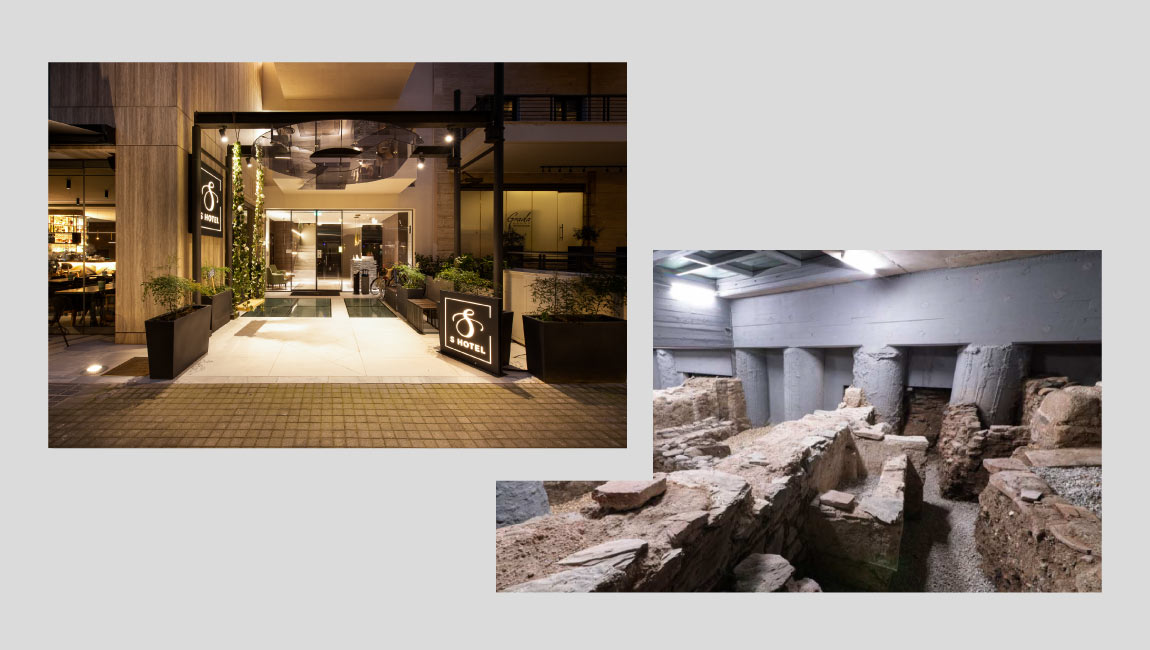
At S HOTEL Boutique, history is not just something you visit—it becomes part of your stay. The remains of the South Old Seaside Wall and sections of the city’s ancient fortifications have been carefully preserved and are now displayed beneath a stunning glass floor on the lower level of the hotel, offering guests a unique opportunity to admire an authentic piece of Thessaloniki’s past.
Located in the heart of the city, S HOTEL Boutique is the perfect starting point for discovering Thessaloniki’s historical sites, museums, shopping streets, and vibrant dining scene, all within easy walking distance. Whether you prefer a relaxed morning stroll or a full day of sightseeing, everything is conveniently close.
After exploring the city, you can unwind in beautifully designed rooms and suites that combine contemporary comfort with elegant aesthetics, creating a peaceful retreat in the center of Thessaloniki.
Traveling for business? The hotel also features a modern meeting room, providing a stylish and functional space for presentations, corporate meetings, and professional gatherings while keeping you connected to the city’s business district.
At S HOTEL Boutique, every stay is an invitation to experience Thessaloniki from a different perspective—where modern hospitality meets thousands of years of history beneath your feet.